Vibrant math-themed collage featuring tools like an abacus, calculator, ruler, dice, blocks, and the word 'Maths' in blue brush script.

Maths

Exploring ideas, spotting patterns and growing in confidence.

From sharing snacks fairly to building a model, checking the time or solving a puzzle, maths helps children make sense of their world.

At St Stephen’s, we want every child to see themselves as a mathematician: someone who can ask questions, explore possibilities and work through a challenge. We nurture curiosity, build secure understanding and celebrate the thinking behind an answer.

How do we teach maths?

We follow White Rose Maths, which organises learning into carefully sequenced small steps. Each step builds on previous learning, helping children make connections and develop a secure understanding before tackling more complex ideas.

White Rose supports a mastery approach. This means developing a deep understanding of maths so that children can explain their thinking and apply what they know in different situations. Its approach brings together fluency, reasoning and problem-solving.

Educational maths poster outlining topics: number/place value, calculation, fractions/decimals/percentages, measurement, geometry, statistics, ratio/algebra with colorful icons.

What does my child learn?

Children revisit mathematical ideas throughout school, building on their understanding and applying it in increasingly challenging ways.

Educational maths poster outlining topics: number/place value, calculation, fractions/decimals/percentages, measurement, geometry, statistics, ratio/algebra with colorful icons.

What resources do we use to help you and children learn?

Our maths knowledge organisers and word mats help families explore the key ideas and vocabulary within each unit.

How does maths begin in Nursery and Reception?

Early maths grows through play, conversation and practical experiences.

Children discover mathematical ideas as they sing number songs, build towers, sort objects, make patterns, fill containers and share resources. Adults help them notice, describe and compare what they find.

We encourage children to:

Infographic poster titled 'How does early maths grow?' showing five activity panels for kids.

Why do children use objects and pictures in maths?

Objects and pictures help children understand what a calculation means.

White Rose uses a concrete, pictorial and abstract approach, connecting practical resources and visual representations with numbers and symbols. :chatgpt-content-reference{index=”1″}

For example, when exploring 3 × 4, a child might:

1. Build it: make three equal groups of four counters.

2. Draw it: represent the groups using dots or an array.

3. Write it: connect their model to 3 × 4 = 12.

Children can move between these representations as their understanding develops. Practical resources remain useful throughout primary school, including when exploring fractions, decimals and larger numbers.

Why is talking about maths so important?

Explaining an idea helps children make sense of it. Listening to someone else’s approach can help them discover a new connection or reconsider their thinking.

We encourage children to use mathematical vocabulary and speak in clear sentences. Useful starting points include:

– “I know this because…”

– “I noticed that…”

– “These are the same because…”

– “These are different because…”

– “Another way to solve it is…”

An incorrect answer can also begin a valuable conversation. Exploring where an idea went wrong helps children understand more deeply and become more confident about trying again.

What resources can support learning at home in Maths?

Our maths resources help families revisit learning and explore ideas together:

  • Knowledge organisers: the key facts, ideas and vocabulary for each unit.
  • Word mats: geographical vocabulary with explanations and visual prompts to support understanding.
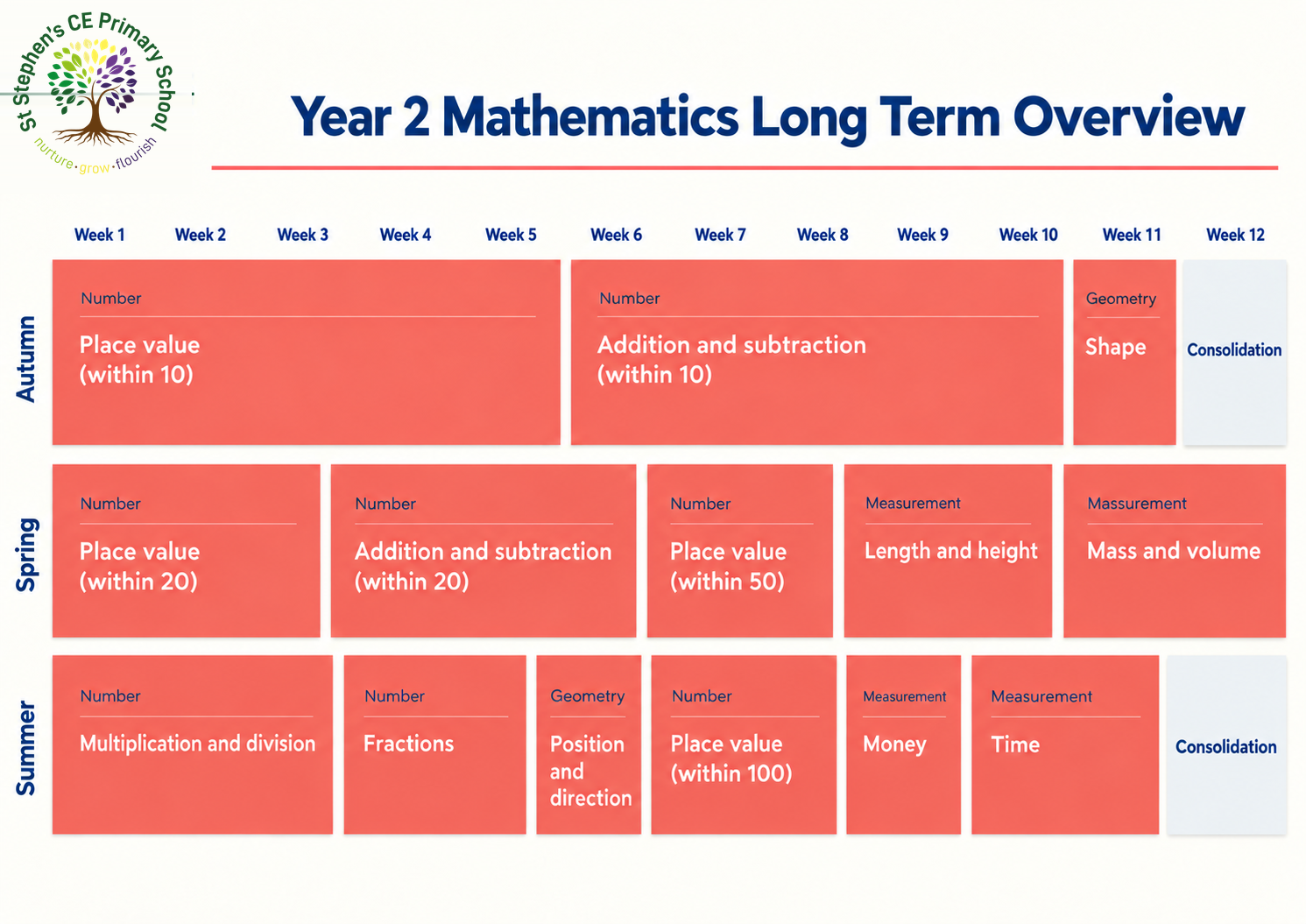
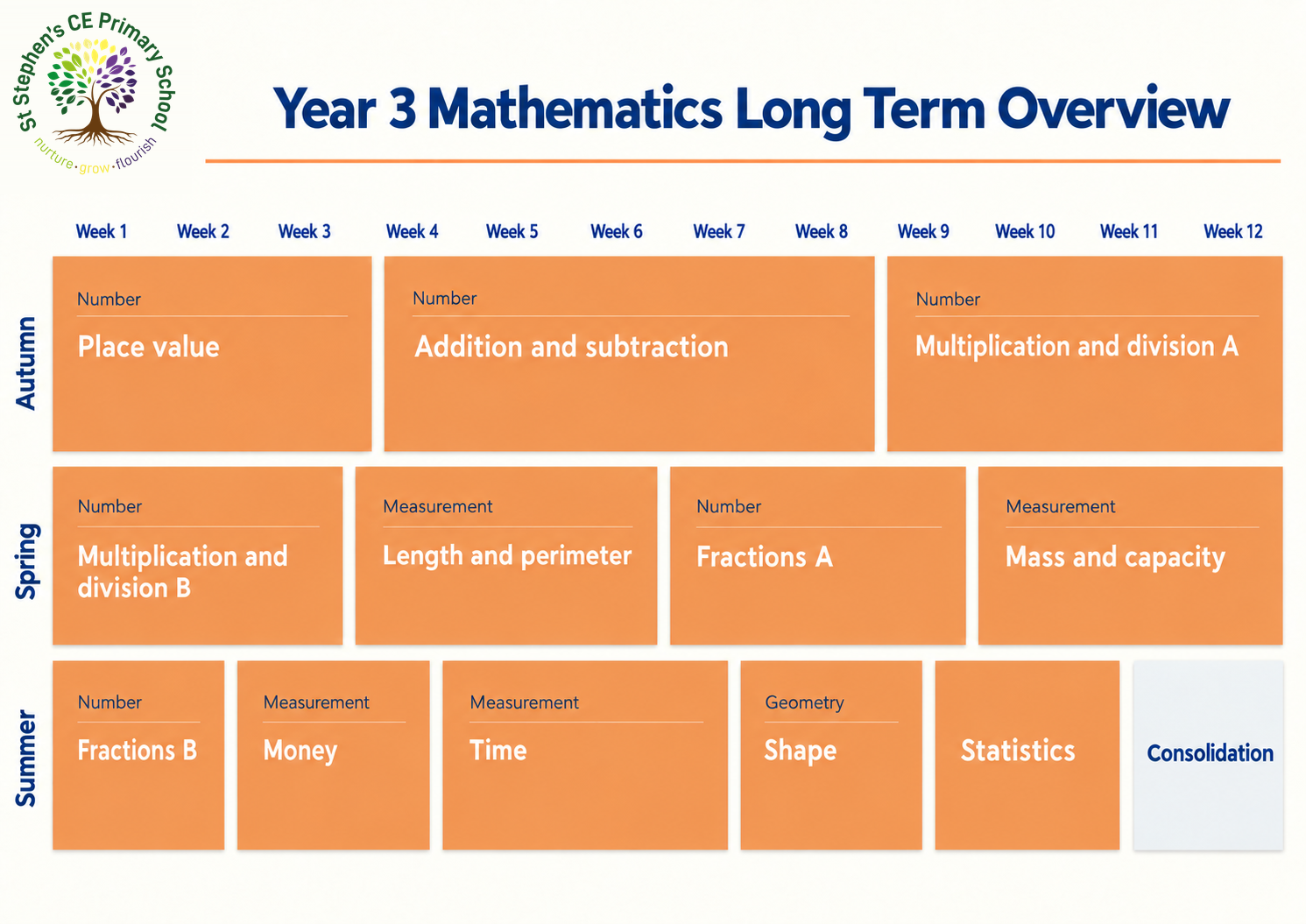
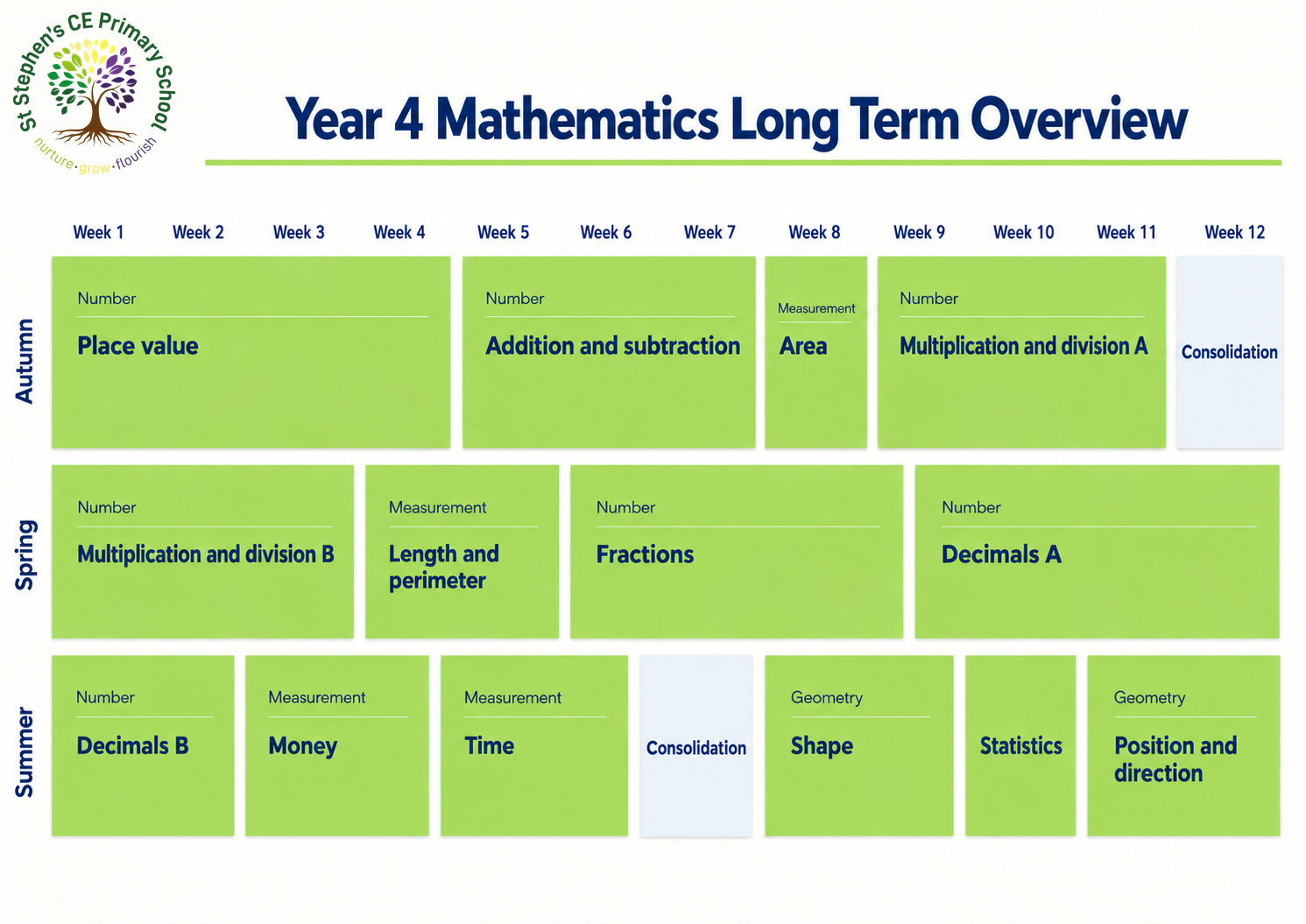
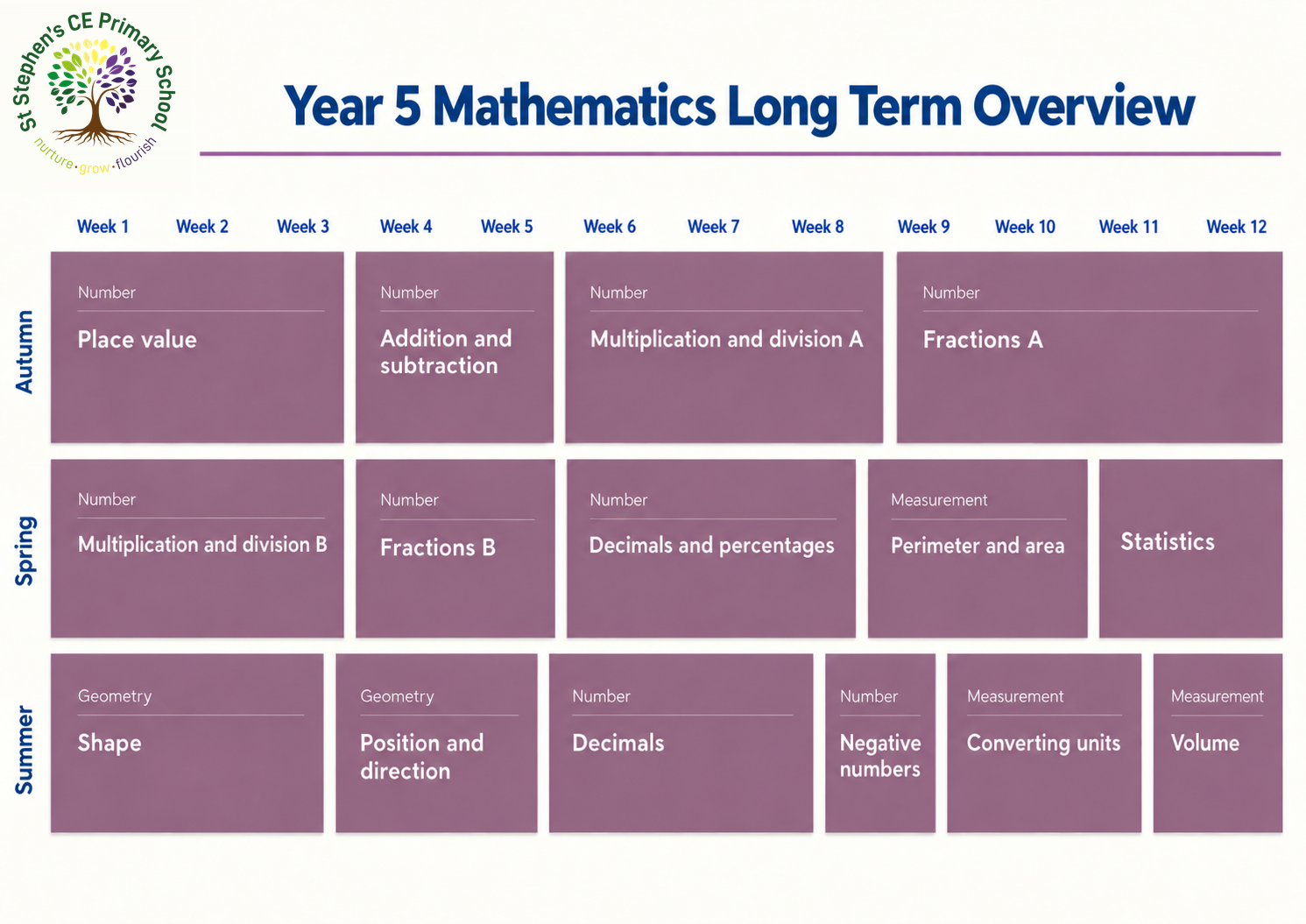
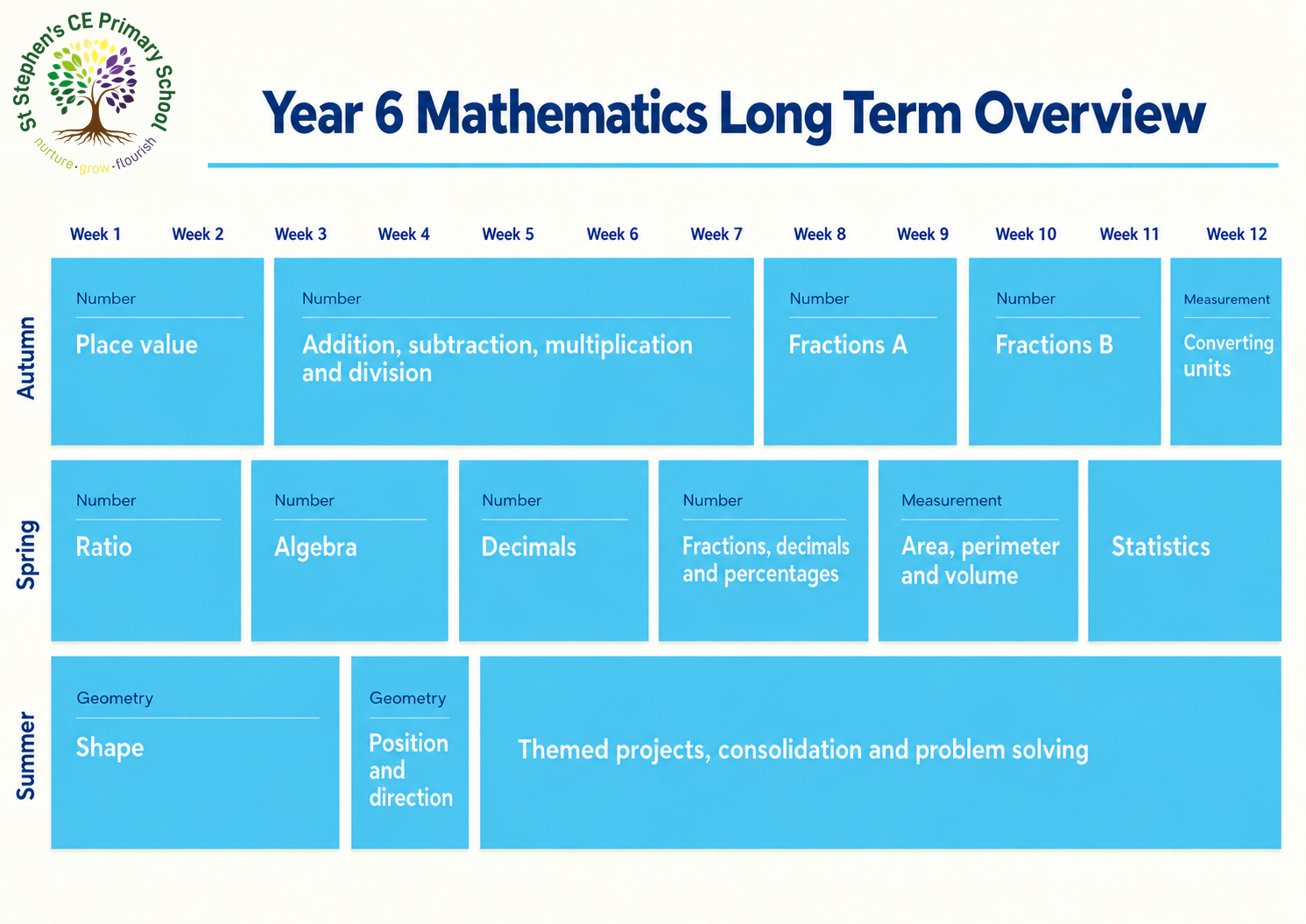
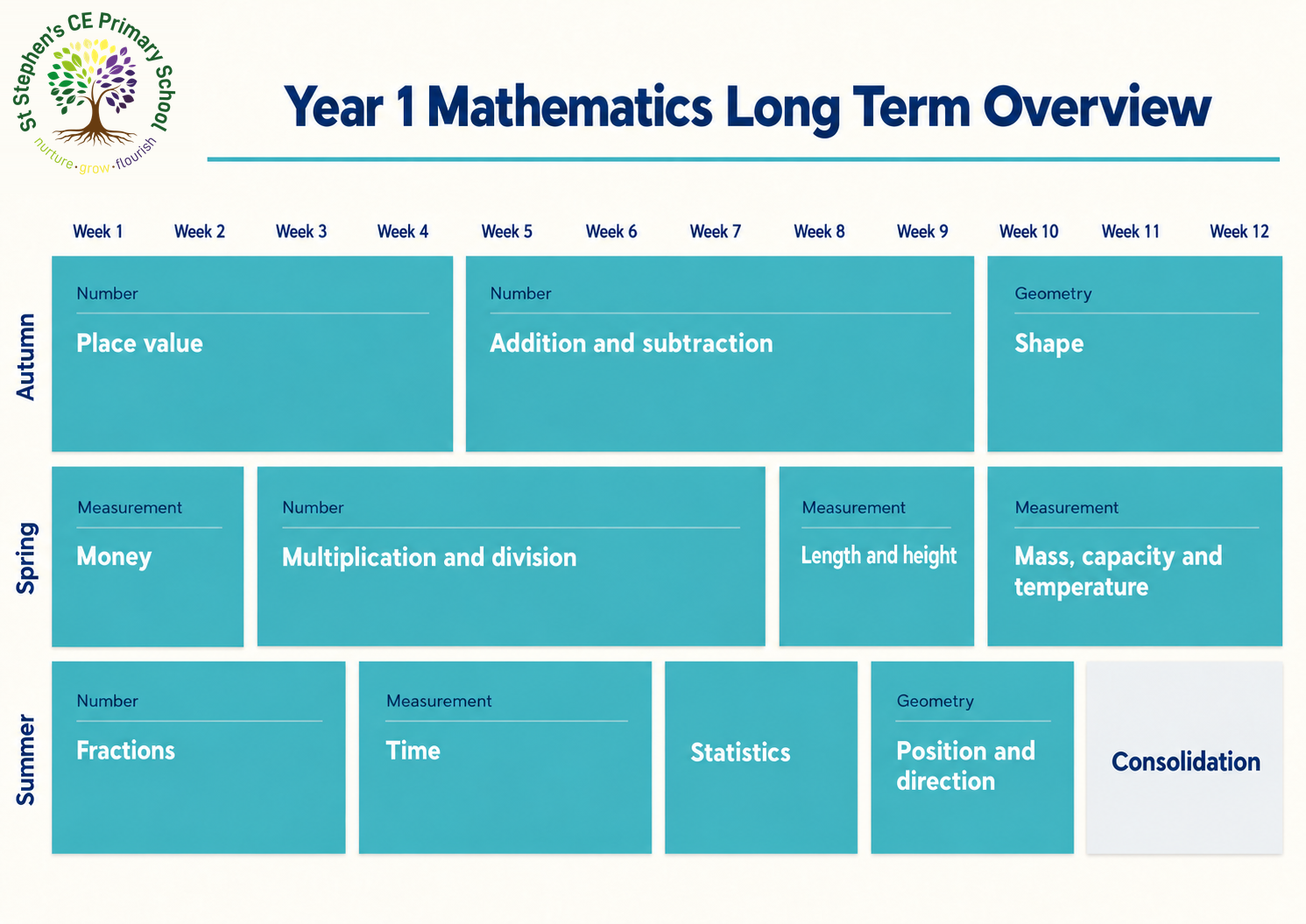
  • Units of work overview: what your child learns each term and how learning builds through school.

Look through a resource together, ask your child to explain something they recognise, or choose a new word to use in conversation. Short, regular discussions help children remember learning and connect it with the world around them.